These could range from physical, geographical, socio-economic barriers to non-visible community specific barriers.
Celebrating and championing access to the arts, especially for underrepresented demographics, is something I am particularly passionate about and, throughout my career, I have found myself drawn to projects and artists that hold inclusivity and accessibility as a central pillar of their practice. This has included, during covid, producing and touring a ‘sort of dance’ show centring fat masculine and non-binary bodies and working with Unlimited and ND artist Byron Vincent to develop the UK’s first neurodiverse accessible rave - Disco Neurotica.
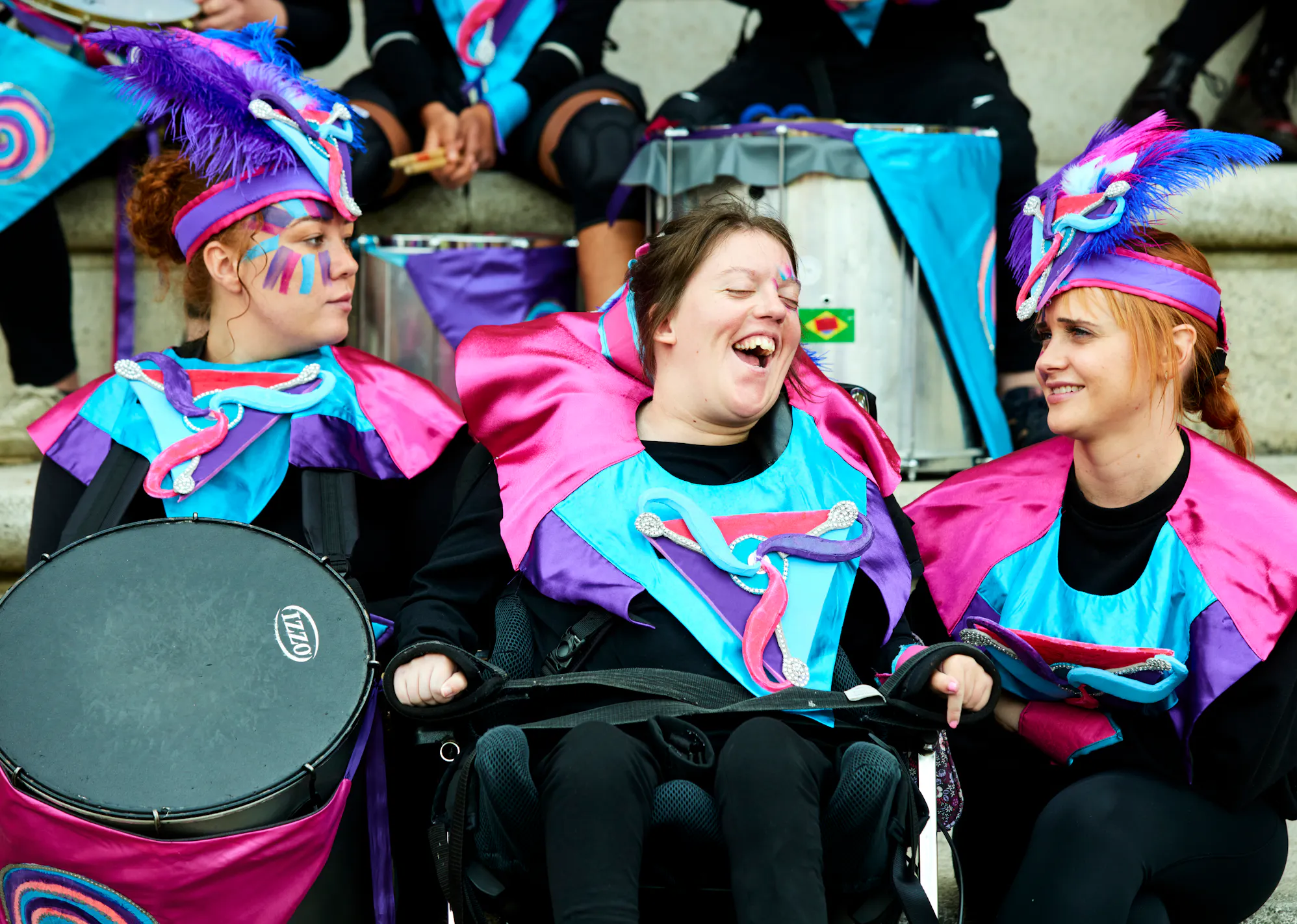
It was my desire to continue developing innovative creative projects with an accessible minded ethos that appealed to me about Walk the Plank, and since joining the team just over 18 months ago I have seen exactly how Walk the Plank works to embed access into each project we deliver.
Most recently within Walk the Plank’s Diversity, Equity, Inclusion and Belonging (DEIB) Working Group we have been discussing how access intersects with the different areas of our work.
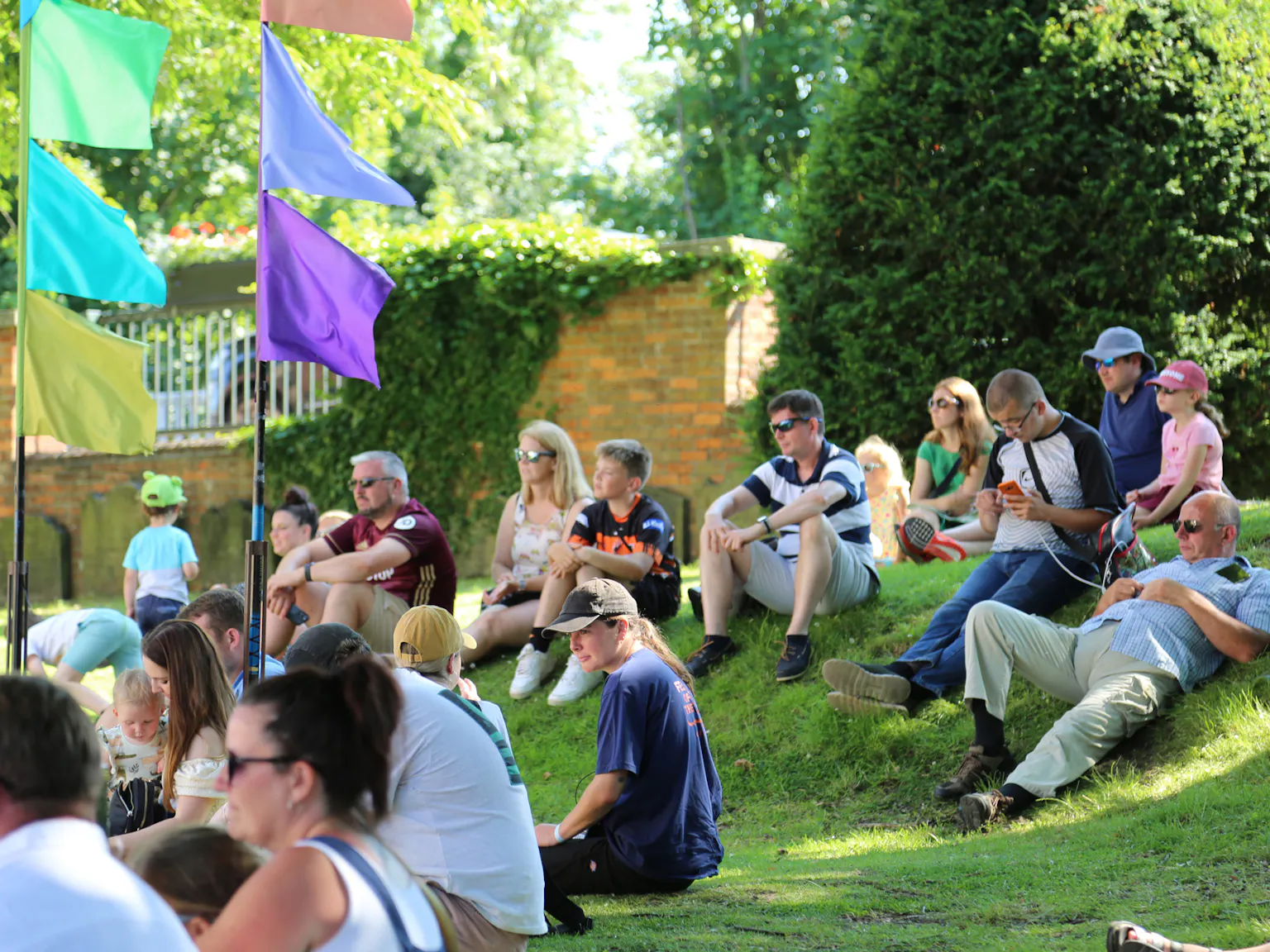
There is an immediate freedom that comes from working outdoors, untethered by the physical constraints of a building, that is exciting. The scope of what you can dream up feels wider and taller, with no building regulations or faulty lifts to prevent people from accessing the work you dream up.
Access will look different from project to project. Regardless, I have found it crucial to think about access during the planning stage of a project and embed it into every step of that project’s creation, delivery and evaluation. This ranges from budget creation, to the artists we decide to work with, the conversations we have with those artists to understand both their individual needs and communicate the project’s creative approach, to how we collaborate with the communities we’re working in to better understand and address their specific needs.